
Best Way to Stop a Cold Sore in Its Tracks: What to Do at the First Sign
That familiar tingling, itching, burning, or stinging around your lip can be the first warning that a cold sore is developing.
If you regularly get cold sores, this early stage is important. Acting quickly may help shorten the outbreak and reduce discomfort.
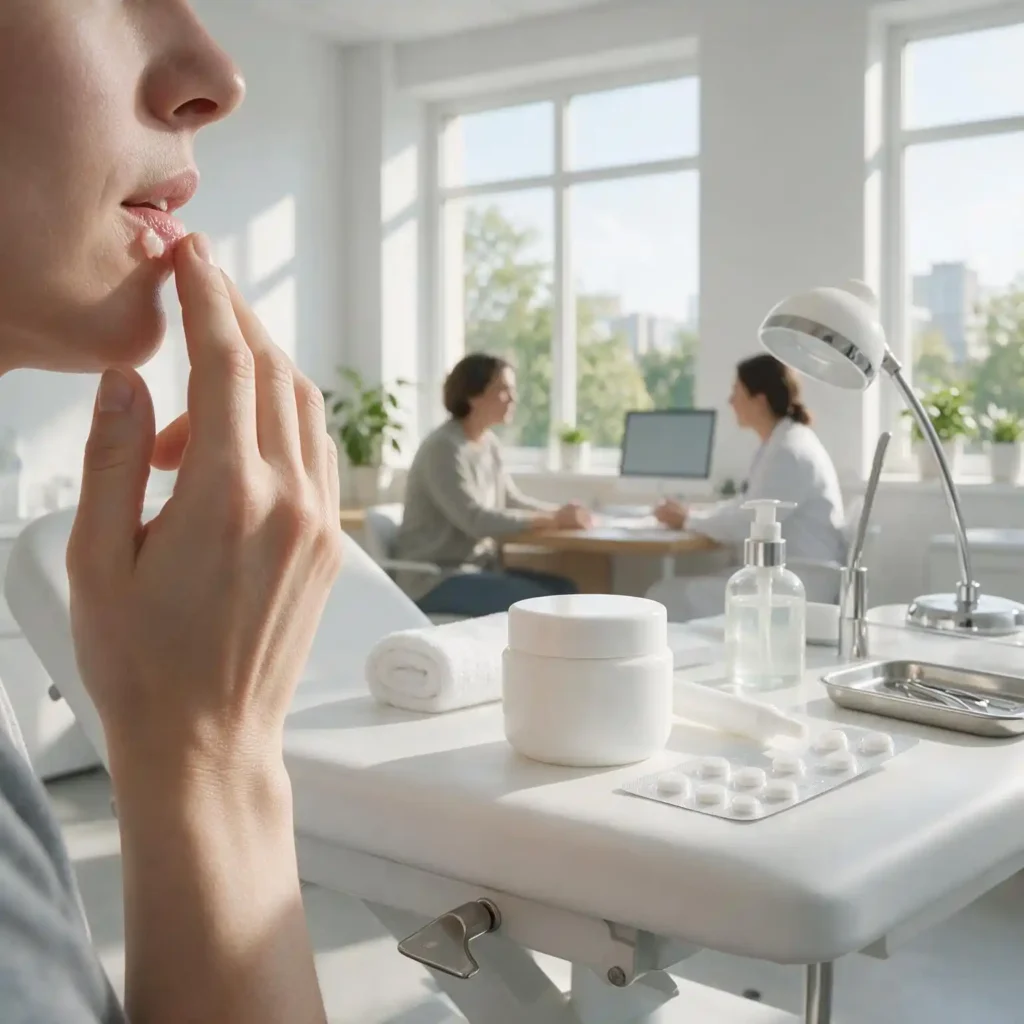
Can You Stop a Cold Sore Before It Gets Worse?
There is no guaranteed way to stop every cold sore once it begins.
However, treatment started during the earliest warning signs can be more useful than waiting until the blister has fully developed. The American Academy of Dermatology and NHS both recommend early treatment for people who experience recurrent cold sores.
1. Act at the First Sign
The first symptoms can appear before you see a blister.
Look for:
- Tingling
- Itching
- Burning
- Stinging
- Mild numbness
- Throbbing or sensitivity
These warning symptoms can occur a day or two before the visible sore.
The earlier you recognize your typical warning signs, the sooner you can consider appropriate treatment.
2. Consider an Antiviral Treatment
Antiviral medicines are specifically used to treat cold sores.
For some people, topical antiviral treatments can shorten healing time when applied at the first sign of an outbreak. NHS guidance specifically notes that antiviral creams may be less effective once blisters have appeared.
Aciclovir cream, for example, is used for cold sores and should generally be started when itching or tingling begins, following the product instructions.
3. Don’t Pick, Pop, or Squeeze It
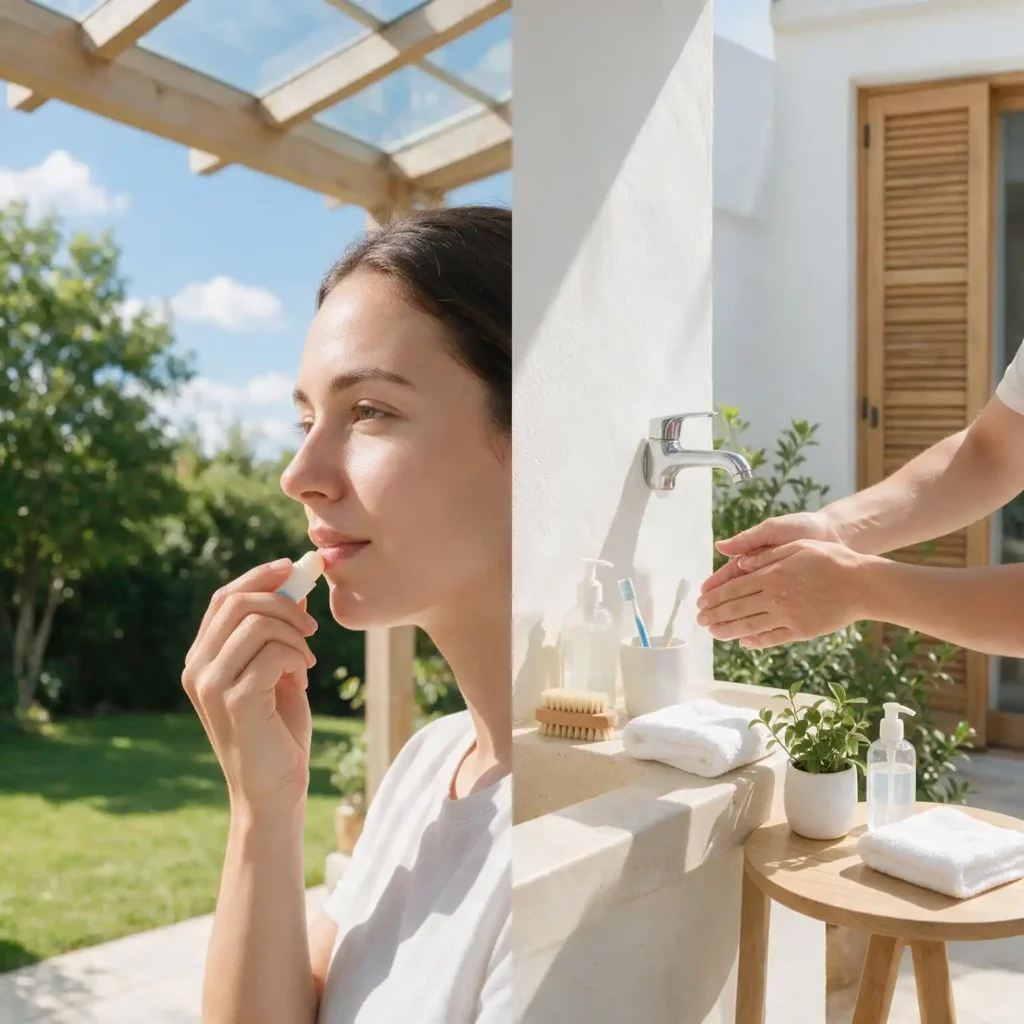
Once a blister appears, resist the temptation to touch it.
Cold sores are contagious, and touching the sore can also transfer the virus to other areas. Wash your hands after touching or treating the area.
4. Protect the Area
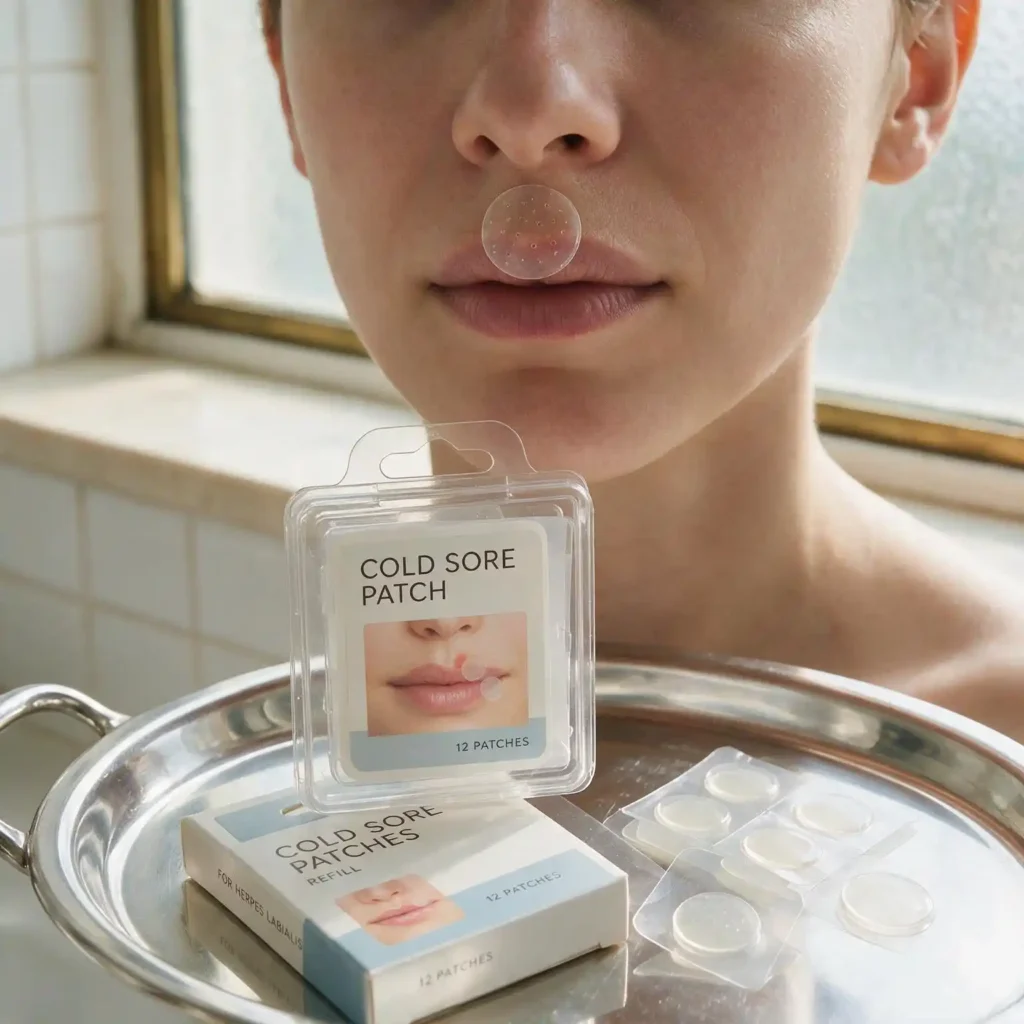
Cold sore patches can provide a physical barrier over the affected area while it heals. Pharmacists may also recommend creams to relieve irritation or patches to protect the skin.
5. Watch Your Personal Triggers
Cold sores can reactivate after triggers such as:
- Stress
- Fatigue
- Illness
- Strong sunlight
- Hormonal changes
- Injury around the affected area
Triggers vary between people, so tracking when outbreaks happen can help you identify your own patterns.
6. Protect Your Lips From the Sun
For some people, sunlight can trigger an outbreak.
The American Academy of Dermatology recommends broad-spectrum lip protection with SPF 30 or higher for people whose outbreaks are triggered by sun exposure.
What Is the Best Product to Use at the First Sign?
There isn’t one product that works for everyone.
Depending on your needs, you may encounter:
Antiviral Creams
Designed to treat the virus and may work best when started during the early warning stage.
Cold Sore Patches
Designed to cover and protect the affected area while it heals.
Cold Sore Gels
Topical products that may help soothe irritation and manage symptoms.
Compare Cold Sore Products
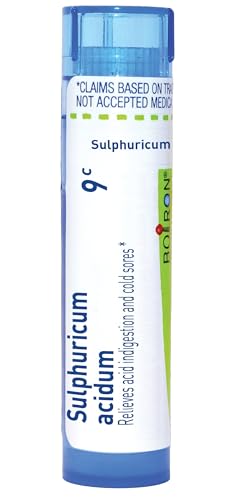


Include your best cold sore creams, patches, and gels, with:
- Product image
- Short description
- Key feature
- Pros/cons
- Check Price on Amazon →
Then link the section to your main Cold Sore Products comparison page.
Can You Stop a Cold Sore Overnight?
Be careful with products promising an instant cure.
There is no guaranteed overnight cure for cold sores. The American Academy of Dermatology specifically states that cold sores cannot be cleared overnight.
The realistic goal is to act early, manage symptoms, and potentially shorten the outbreak.
When Should You Get Medical Advice?
Speak with a healthcare professional if:
- The sore is very large or painful.
- It lasts longer than two weeks.
- You get frequent outbreaks.
- The sore develops near your eye.
- You have a weakened immune system.
- You’re unsure whether the lesion is actually a cold sore.
A cold sore near the eye requires particular attention because HSV can cause an eye infection that may affect vision.
The Bottom Line
The first sign is the time to act.
If you recognize the familiar tingling, burning, or itching that normally comes before your cold sores, early treatment may give you the best chance of reducing the duration and discomfort of the outbreak.
Don’t wait for the blister to fully develop before considering your options.
Medical Disclaimer
This article provides general educational information and does not replace diagnosis or treatment from a qualified healthcare professional.
Meta description:
Learn what to do at the first sign of a cold sore. Discover early treatment options, prevention tips, and products that may help manage outbreaks.