
Cold Sore Triggers: What Causes Outbreaks and How to Avoid Them
If you get cold sores, you’ve probably noticed they don’t appear at random — something usually sets them off. Understanding your personal triggers is one of the most practical ways to reduce how often outbreaks happen. Here’s a closer look at what actually causes recurrences, and how to work around them.
Why Cold Sores Keep Coming Back
Once you’ve been infected with HSV-1, the virus never fully leaves your body. It travels to nerve cells near the site of infection and stays dormant there indefinitely. Common triggers that can lead to cold sores include stress, illness such as a cold or flu, sun and wind exposure, cuts or injuries to the skin, changes in the immune system, and hormonal shifts, according to Mayo Clinic dermatologists. In other words, anything that stresses your body or immune system can potentially wake the virus back up. Mayo Clinic News Network
The Most Common Triggers
- Stress — emotional or physical stress is one of the most frequently reported triggers
- Sun and wind exposure — UV light and windburn are well-documented triggers, which is why lip balm with SPF is so often recommended
- Illness — colds, flu, or anything that taxes your immune system can prompt a recurrence
- Hormonal changes — some people notice a pattern tied to their menstrual cycle
- Skin injury — cuts, dental work, or even chapped lips can be enough to trigger a flare-up
- Fatigue and poor sleep — run-down immune function makes reactivation more likely
What About Diet?
There’s a popular belief that certain foods trigger cold sores. The evidence for this is thin — research on diet and cold sore triggers suggests environmental and physical factors play a far bigger role than specific foods do. That said, some people find that limiting arginine-rich foods (like chocolate or nuts) while emphasizing lysine-rich foods (like dairy and fish) seems to help — though this varies person to person and isn’t strongly backed by clinical evidence.
Reducing Your Triggers
You can’t eliminate every trigger, but a few habits go a long way:
- Apply SPF lip balm daily, not just on sunny days
- Build in stress management — even small daily habits help
- Prioritize sleep, especially during high-stress periods
- Treat illness and injury promptly rather than pushing through
- Track your outbreaks for a few months to spot your personal pattern
When Triggers Aren’t Enough to Explain It
Sometimes cold sores appear with no obvious cause — that’s normal too, since the virus can hide in nerve cells and cause another cold sore at the same spot as before, independent of any single identifiable trigger. If your outbreaks are frequent or severe regardless of what you avoid, it’s worth talking to a doctor about prescription options that reduce recurrence directly rather than just managing triggers. MyMLC
This article is for informational purposes only and isn’t a substitute for professional medical advice.

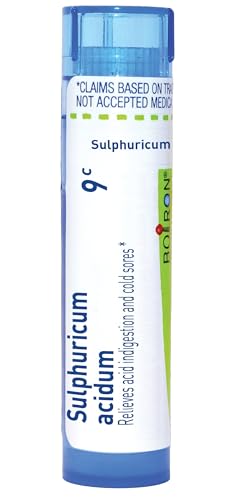
- PURE RELIEF: Sulphuricum Acidum is a homeopathic medicine that relieves acid indigestion and cold sores.*
- A BETTER WAY TO FEEL BETTER: This medicine has no known interactions with other medications, herbs, or supplements; no c…
- EASY TO TAKE: Pellets melt under the tongue, no food or water needed and great for on the go

- Number 1 Cold Sore Brand: Two 0.07 oz tubes of Abreva 10 Percent Docosanol Cold Sore Treatment
- Can Heal in 2.5 Days: Fever blister cream contains 10 percent docosanol to shorten the duration of cold sore symptoms (1…
- Nothing Heals Fever Blisters Faster: 10 percent docosanol cream penetrates deep into skin to tackle cold sores at their …

- Number 1 Cold Sore Brand: One 0.07 oz tube of Abreva 10% Docosanol Cold Sore Treatment
- Can Heal in 2.5 Days: Fever blister lip cream contains 10% docosanol to shorten the duration of cold sore symptoms (1)
- Nothing Heals Your Cold Sore Faster: Cold sore treatment penetrates deep into skin to tackle cold sores at their source …