
Understanding Cold Sores: Symptoms, Treatment, and Prevention
Cold sores are small, fluid-filled blisters that usually appear on or around the lips. They’re caused by the herpes simplex virus (HSV-1), and while they’re common — most adults carry the virus — outbreaks can be uncomfortable and, for many people, frustratingly recurrent. Here’s what to know about spotting them, treating them, and reducing how often they show up.
What Causes Cold Sores
Cold sores are triggered by HSV-1, a virus that stays dormant in the body after the first infection and can reactivate periodically. Once you’ve been exposed, the virus doesn’t go away — it lives in nerve cells and resurfaces when something “wakes it up.” Common triggers include:
- Stress or fatigue
- Illness or a weakened immune system
- Sun exposure or windburn
- Hormonal changes
- Minor injury to the skin around the mouth
Recognizing the Symptoms
Cold sores typically move through a few stages:
- Tingling or itching — a warning sign that often appears 12–24 hours before a blister forms
- Blister formation — small, fluid-filled bumps appear, usually clustered
- Oozing — blisters break open and leak fluid, which is when the sore is most contagious
- Crusting — a scab forms over the sore
- Healing — the scab flakes off as new skin forms underneath
Most outbreaks resolve on their own within 7–10 days.
Treatment Options
There’s no cure for HSV-1, but several approaches can shorten an outbreak or ease discomfort:
- Antiviral creams and tablets (like those containing docosanol or acyclovir) can reduce healing time, especially if started at the first tingle
- Cold compresses help reduce swelling and discomfort
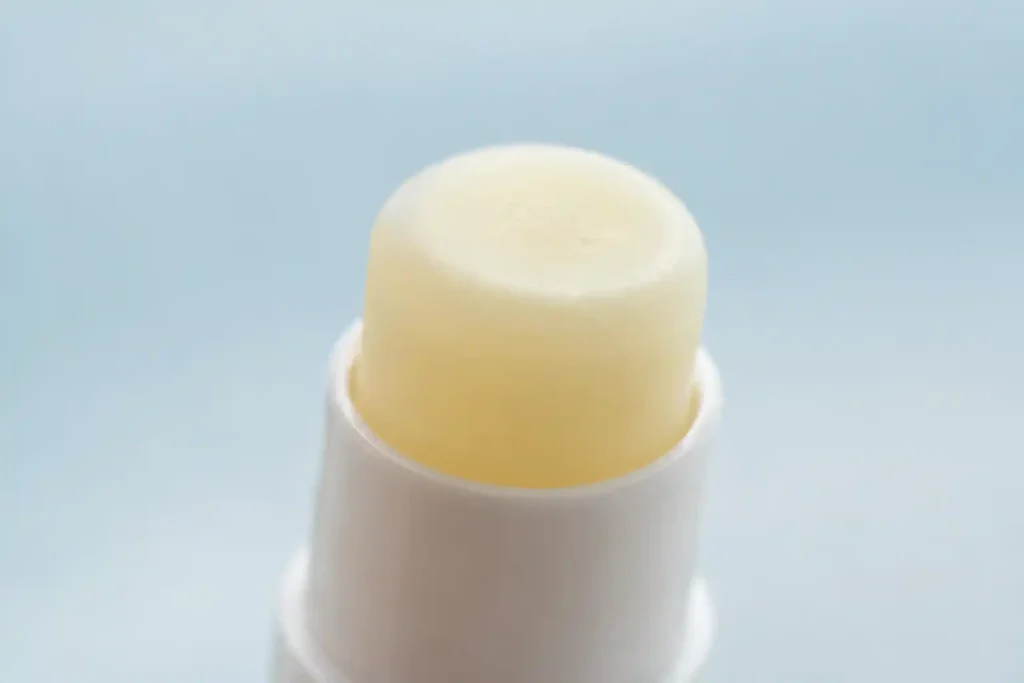
- Lip balms with SPF protect healing skin and reduce irritation
- Over-the-counter pain relief can help with soreness during flare-ups
Starting treatment as early as possible — ideally at the tingling stage — tends to produce the best results.
Preventing Future Outbreaks
While cold sore outbreaks can’t always be avoided, a few habits can reduce how often they recur:
- Use SPF lip balm daily, especially in sun or wind
- Manage stress where possible
- Avoid sharing utensils, drinks, or lip products during an active outbreak
- Get adequate sleep and support your immune system
When to See a Doctor
Most cold sores clear up without medical care, but see a healthcare provider if your cold sore outbreaks are frequent, severe, or near the eyes, or if you have a weakened immune system — a doctor can discuss prescription antiviral options for more control over recurrence.
This article is for informational purposes only and isn’t a substitute for professional medical advice.
Sources & References:
Mayo Clinic — Cold sore: Symptoms and causes Mayo Clinic
Mayo Clinic — Cold sore: Diagnosis and treatment Mayo Clinic
American Academy of Dermatology — Cold sores: Diagnosis and treatment American Academy of Dermatology