Are Cold Sores Contagious? How They Spread and How to Protect Others
Yes. Cold sores are contagious, and they can spread from the first tingling or burning sensation until the sore has completely healed.
Understanding how cold sores spread can help you protect the people around you and reduce the risk of passing them to other parts of your body.
How Do Cold Sores Spread?
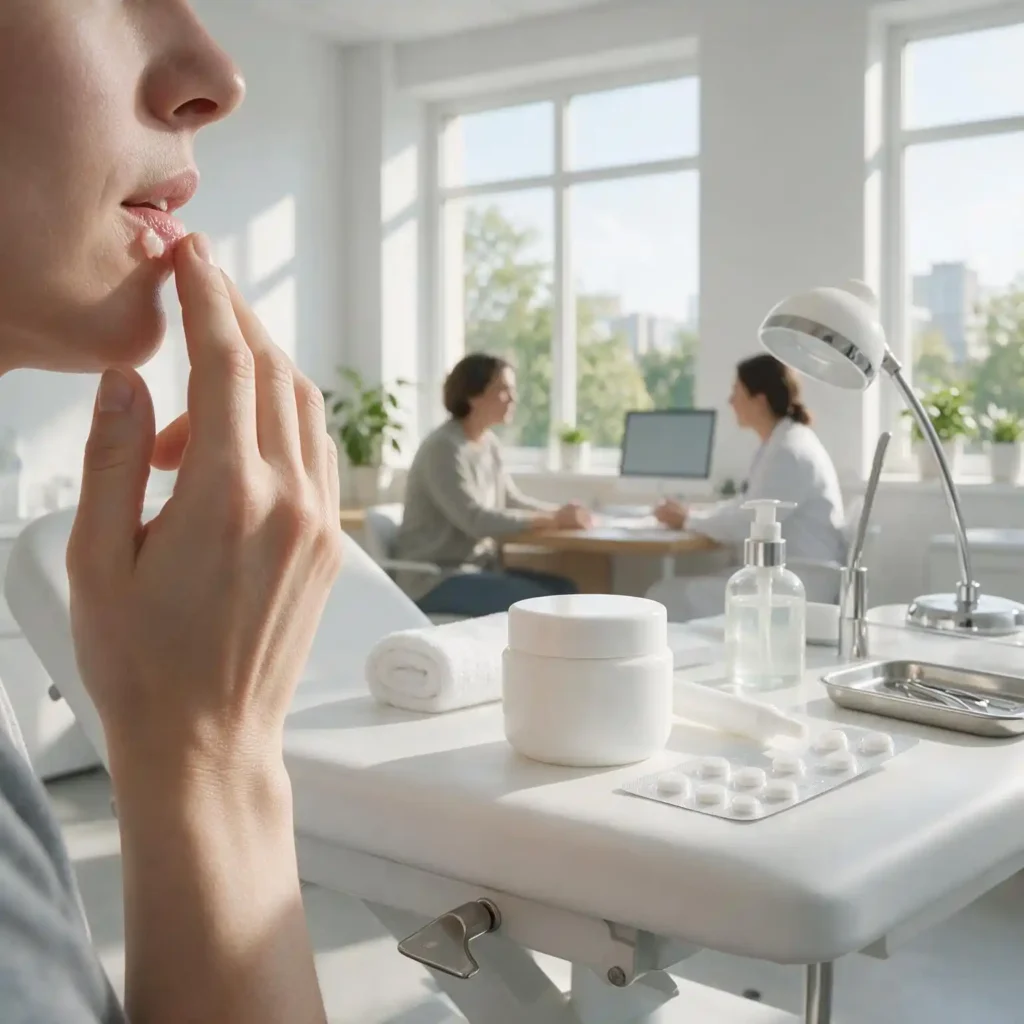
Cold sores are usually caused by the herpes simplex virus (HSV). They can spread through close contact with an infected area, including kissing and oral contact. HSV-1 can also be transmitted from the mouth to the genitals through oral sex.
When Is a Cold Sore Contagious?
A cold sore can be contagious before the blister becomes visible. The NHS advises that contagiousness can continue from the first warning symptoms until the sore has completely healed.
That means a tingling sensation around your lip can be an important warning sign.
5 Ways to Reduce the Risk of Spreading a Cold Sore
1. Avoid Kissing
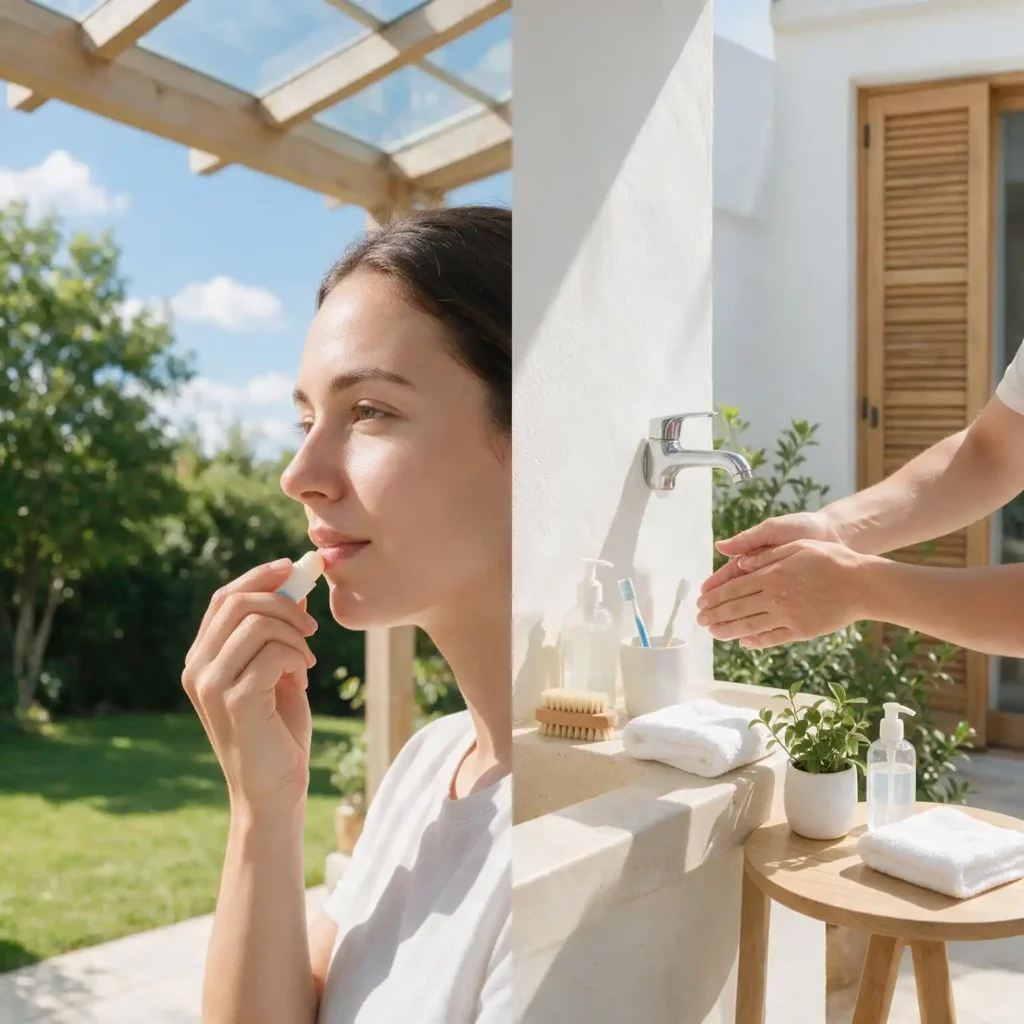
Avoid kissing while you have an active cold sore.
2. Don’t Share Lip Products
Avoid sharing lip balm, creams, or other products that come into contact with the affected area.
3. Wash Your Hands
Wash your hands thoroughly after touching the cold sore or applying a product.
4. Don’t Pick or Pop It
Touching or breaking the blister can irritate the area and potentially spread the virus to other parts of your body.
5. Avoid Oral Sex Until It Heals
An oral HSV-1 infection can be transmitted to the genital area through oral sex.
Can Cold Sore Products Help?
Cold sore creams and patches are commonly available for managing cold sores. A pharmacist can help you choose an appropriate product, and some antiviral treatments work best when started early.
Compare Cold Sore Products →
How Long Do Cold Sores Last?
Most cold sores usually clear up within around 10 days, although they can remain irritating or painful while healing.
If a cold sore has not started to heal within 10 days, is unusually large or painful, or you’re concerned that it may be something else, seek medical advice.
Medical Disclaimer
This article provides general educational information and does not replace professional medical advice.


